

What will the cities of the future look like? Beyond autonomous vehicles and smart buildings, their transformation will also affect everyday matters: how we get to work, how long our journeys take and what alternatives we have for getting around.
Urban growth, environmental challenges and changing lifestyles are driving new ways of designing cities. Where homes, services and workplaces are located shapes how people travel, while technology and new mobility solutions can help improve connections.
But what changes can we expect? In this WAIIS article, we look at some of the trends that will define the cities of the coming years.
Cities designed for people
One of the biggest challenges will be making it easier to access housing, work, shops and services without every activity involving long or complicated journeys. Urban planning can help create neighborhoods where it is easier to reach everyday services and combine different activities. This does not mean everyone can live close to their workplace, but it does mean that cities must offer alternatives suited to different needs.
It will also be important to design accessible public spaces, with safe sidewalks, well-organized crossings and convenient connections between different parts of the city.
The goal is not just to improve traffic flow, but to ensure people can get around safely and use the streets for more than simply moving from one place to another.
More connected mobility
The cities of the future will need to improve connections between neighborhoods, workplaces and nearby towns. This is especially important in metropolitan areas, where many people live in one town and work in another.
Combining different modes of transport can make these journeys easier, as long as connections are practical and services are well coordinated. In some cases, public transport will cover most of the journey. In others, especially where connections are limited, it will need to be complemented with alternatives to reach the destination.
The mobility of the future will not depend on a single solution, but on the ability to offer suitable options for each route and each person’s circumstances.
Technology to improve everyday life
Digital tools can help people check routes, find out about disruptions and compare alternatives before setting off. They also make it possible to analyze mobility patterns to identify needs and improve urban planning.
Imagine someone who needs to get to a workplace on the outskirts of town every day. Having information on transport options and estimated journey times can make it easier to choose the most practical alternative.
However, technology alone does not solve mobility problems. To be useful, it must provide reliable, understandable and accessible information. The key will be to use it to simplify everyday decisions and improve services, rather than add complexity to people’s journeys.
New ways of using the car
Cars will still be needed for many journeys, especially in areas where public transport does not offer enough connections. The challenge will be to make better use of vehicles and expand the alternatives available.
Electric vehicles can help reduce tailpipe emissions, although on their own they do not solve congestion or the amount of public space taken up by cars. Another option is car sharing.
When several people make compatible journeys, sharing a vehicle allows them to travel together instead of using separate cars. This option is especially attractive for regular commutes, where different people’s schedules and routes may coincide.
At WAIIS, this is exactly what we work on: we make it easier for people with compatible journeys to find travel companions and share a car. That way, everyday trips become an opportunity to make better use of the vehicles already on the road.
Cities connected to their surroundings
The development of cities will also depend on their relationship with nearby towns and the areas where jobs, education and other services are concentrated. Industrial parks and business parks, for example, can be difficult to reach when public transport connections are limited.
Improving links between towns, making stations easier to reach and exploring alternatives for regular journeys will help meet these needs.
Thinking about the cities of the future therefore means looking beyond their administrative boundaries and taking into account how people move around the wider area.
How can we move toward the cities of the future?
The cities of the future will not be built solely through large technology projects. They will also depend on the decisions made today to improve everyday journeys.
Public authorities can identify connection problems and improve infrastructure. Companies can analyze how their employees get to work and explore suitable alternatives. And individuals can weigh up different options for organizing their regular journeys.
There is no single model that works for every city. The needs of a large capital are different from those of a medium-sized city or a town in a metropolitan area. What matters is offering solutions adapted to each context that improve accessibility and make better use of available resources.
At WAIIS, we believe that carpooling can contribute to that transformation. Making it easier for people with compatible routes to travel together is a way to add alternatives to everyday mobility and move toward a more efficient way of getting around.
Frequently asked questions about the cities of the future
-
-
The cities of the future will aim to improve quality of life through accessible public spaces, better connections between neighborhoods and towns, and more alternatives for everyday journeys.
-
-
Technology will help manage urban services, provide travel information and plan mobility more effectively. Its usefulness will depend on whether it meets real needs and is accessible to the public.
-
-
Carpooling allows several people to make the same journey together. When it replaces journeys that were previously made in separate vehicles, it can reduce the number of cars used for those trips and split the costs among the occupants.
You might find this interesting
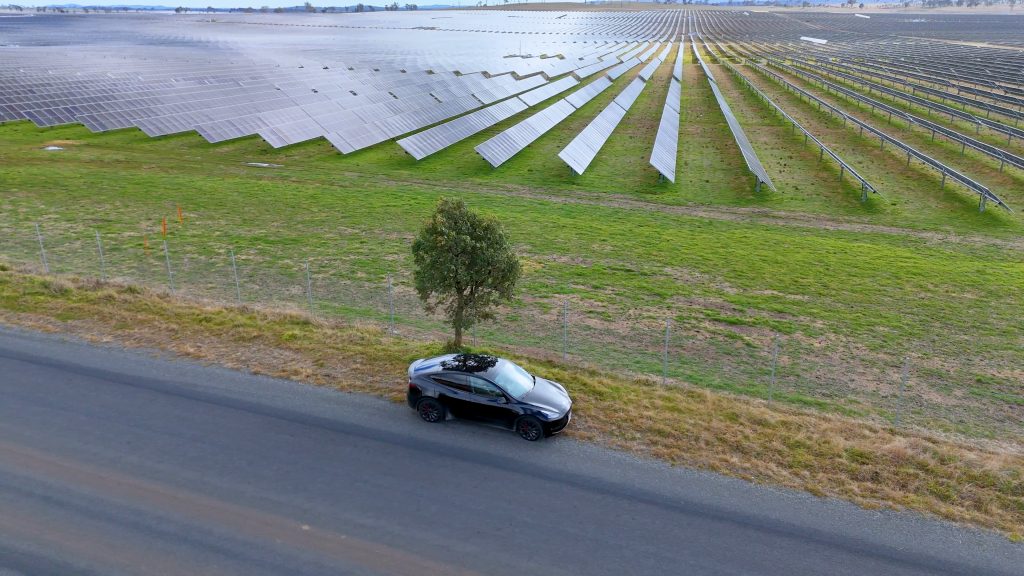
Can technology make mobility more sustainable?
Technology can help people plan their journeys, connect them with compatible routes and provide alternatives to private car use. Find out how it contributes to more sustainable mobility, what role car-sharing plays and how to measure its real impact.
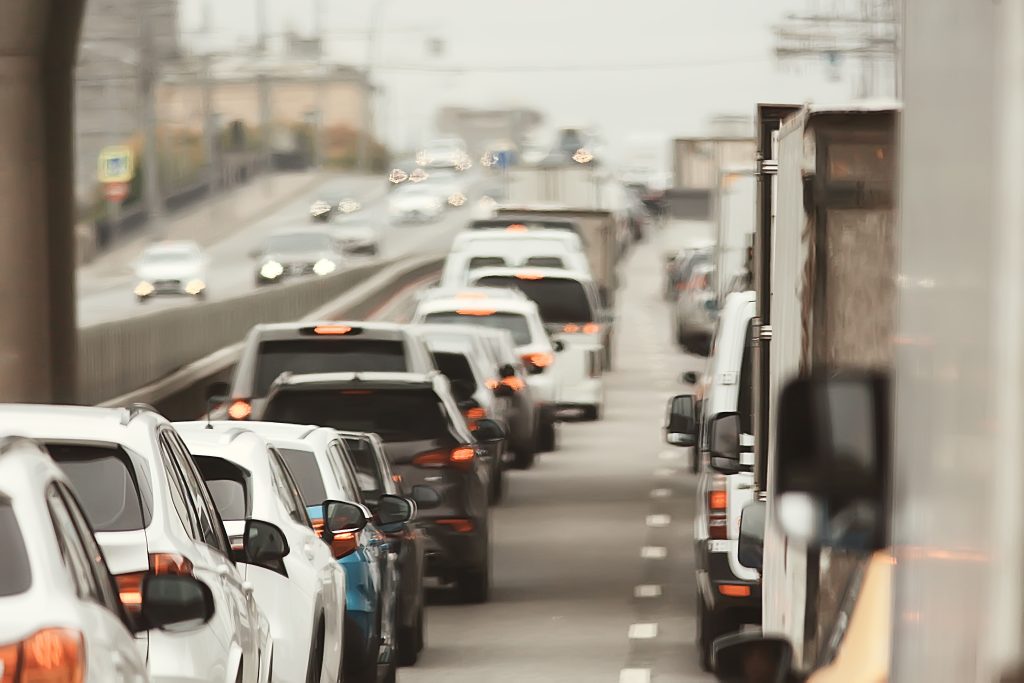
The trends that will shape mobility in Spain
Mobility in Spain is evolving alongside the growth of public transport, electrification, digitalisation and new forms of shared travel. We take a look at seven key trends for 2026 and how they are transforming the way we travel, commute to work and connect different modes of transport.