
Waiis Blog
Your guide to shared mobility: smart solutions, car-sharing and micromobility to transform the way we get around the city.
-

Multimodal mobility: what it is and why it will be key for cities
Multimodal travel allows you to combine different modes of transport to tailor each journey to the specific requirements of the route. Find out how to plan a journey, what advantages and challenges it presents, and how car-sharing can make it easier to connect with public transport.
-

Robotaxis: what they are, how much they cost and when they will arrive in Spain
Robotaxis use vehicles fitted with automated driving systems to make journeys without the need for a human driver at the wheel. Find out how they work, how much they cost, when they might arrive in Spain, and what challenges they pose for urban mobility.
-
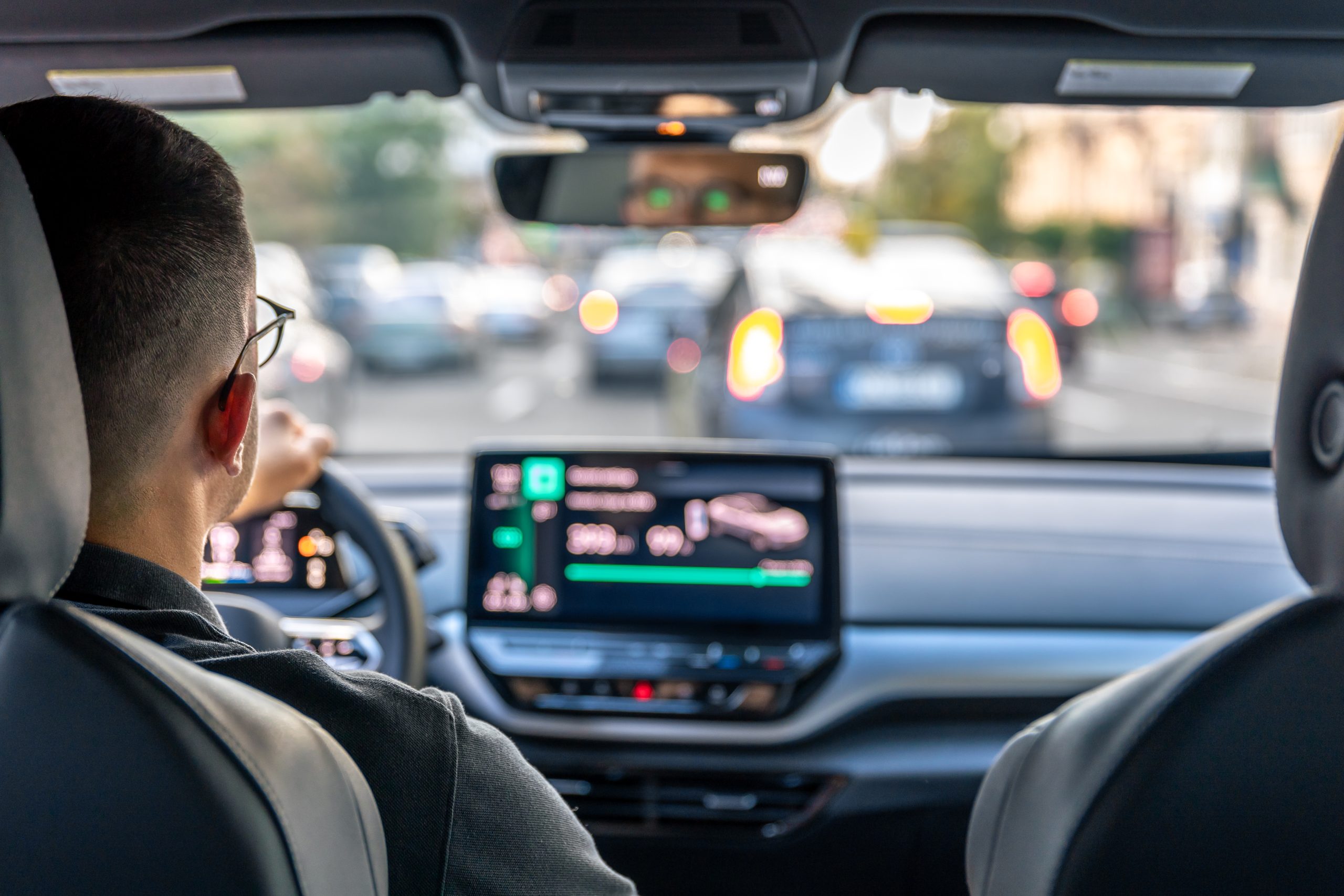
What are Intelligent Transport Systems (ITS) and how do they work?
Intelligent Transport Systems (ITS) use technology and data sharing to improve road safety, manage traffic and provide information to users. Find out how they work, what examples exist in Spain and how they relate to shared mobility.
-

What will the cities of the future look like? Technology, mobility and sustainability
The cities of the future will be characterised by more people-centred urban planning, technological advances and new forms of mobility. Find out how travel patterns will change, what role car-sharing will play, and how to improve connections between neighbourhoods and local authorities.
-

Can technology make mobility more sustainable?
Technology can help people plan their journeys, connect them with compatible routes and provide alternatives to private car use. Find out how it contributes to more sustainable mobility, what role car-sharing plays and how to measure its real impact.
-

On-demand transport vs. traditional transport: differences and how it works
On-demand transport allows journeys to be tailored to users’ needs, whilst traditional transport follows fixed routes and timetables. Find out about the main differences between them, the advantages and limitations of each model, and how they can be complemented by alternatives such as car-sharing.
-
Safe, Sustainable and Connected Mobility Strategy 2030: what is it?
The 2030 Strategy for Safe, Sustainable and Connected Mobility sets out the roadmap for transforming transport in Spain. Find out about its objectives, the nine strategic pillars and the measures it proposes, as well as how it relates to everyday mobility and commuting.
-

The trends that will shape mobility in Spain
Mobility in Spain is evolving alongside the growth of public transport, electrification, digitalisation and new forms of shared travel. We take a look at seven key trends for 2026 and how they are transforming the way we travel, commute to work and connect different modes of transport.
-

Key takeaways from Global Mobility Call 2026 and the challenges that remain
Global Mobility Call 2026 brought together industry professionals to address the key challenges facing mobility, ranging from artificial intelligence and connected vehicles to decarbonisation and integrated transport. We analysed the trends emerging from the event and the role of shared mobility in making better use of available resources.
-

Smart Mobility: what it is and how it is changing urban mobility
Smart Mobility uses technology and data analysis to improve the planning and management of journeys. Find out which tools make smart mobility possible, what its benefits and challenges are, and how car-sharing can help make better use of available resources.