
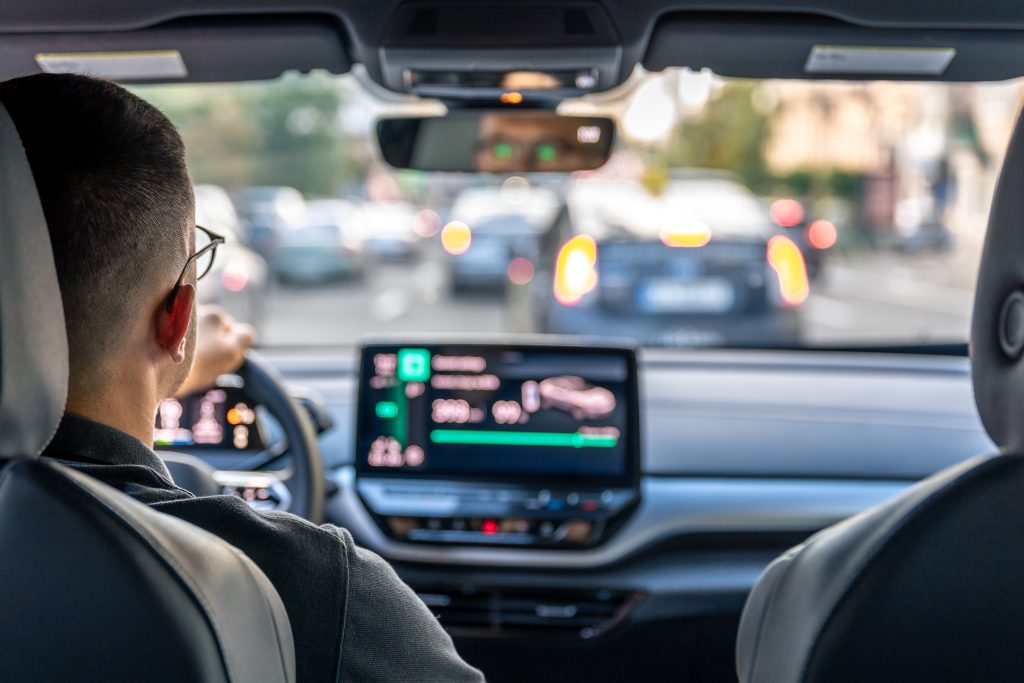
Intelligent Transport Systems (ITS) use information and communication technologies to improve traffic management, road safety and the efficiency of travel.
They are part of everyday situations: from a sign warning of an accident to a platform sharing information on road conditions or an app reporting disruptions.
According to Spain’s Directorate-General for Traffic (DGT), these technologies help improve safety, transport efficiency and the information available to users.
But how do ITS work, what components do they need and what examples are there in Spain? We explain.
What are Intelligent Transport Systems (ITS)?
Intelligent Transport Systems are technological solutions that collect, process and exchange information about infrastructure, vehicles and transport services to support decision-making.
Their aim is to turn available data into useful information to manage traffic, anticipate incidents, inform drivers and improve how services operate.
ITS are not a single technology. They bring together different devices, communication systems and software tools that work together to meet specific mobility needs.
For example, when an incident is detected on a road, a system can collect information about what happened, send it to a traffic management center and enable an alert to be published on an information sign or in an app.
Main components and functions of ITS
Although their configuration depends on the application, Intelligent Transport Systems usually combine four elements:
- Data collection: Cameras, radar, traffic counters and weather stations provide information about traffic, vehicles and road conditions.
- Communication: Networks and transmission systems send data between devices, management centers and connected services.
- Information processing: Software platforms organize and analyze data to detect incidents, update information or support decisions.
- Information and action: The results are used to issue alerts, update signs, inform travelers or support traffic management.
These components make it possible to perform different functions, including:
- Traffic management: Monitoring traffic conditions and detecting situations that require intervention.
- Road safety: Warning of accidents, obstacles, roadworks or adverse conditions.
- Traveler information: Reporting incidents and providing useful information for planning journeys.
- Infrastructure management: Monitoring road conditions and supporting decisions by those responsible for maintenance.
- Service coordination: Facilitating the exchange of information between public authorities, operators and other mobility stakeholders.
The usefulness of an ITS depends on the data being reliable, updated frequently enough and reaching those who need it at the right time.
Examples of Intelligent Transport Systems in Spain
ITS are already used in different areas of transport. Here are some examples that show how they are applied in practice:
- Variable message signs. They display alerts about accidents, congestion, roadworks or driving conditions so that drivers can adapt their behavior.
- Traffic cameras and counters. They make it possible to monitor traffic and collect data on vehicle volumes and how traffic evolves.
- Weather stations. They provide information on environmental conditions that may affect driving safety.
- DGT 3.0. This connected vehicle platform facilitates the exchange of traffic information between different mobility stakeholders. Its purpose is to ensure that relevant data can reach road users through connected services and apps.
These examples show that ITS are not limited to experimental technologies: they are also part of everyday road management.
What is the difference between ITS, artificial intelligence and autonomous vehicles?
These concepts are related, but they don’t mean the same thing.
Intelligent Transport Systems (ITS) cover the technologies that make it possible to use and exchange information to improve transport.
Artificial intelligence (AI) can be built into some systems to analyze large amounts of data, identify patterns or make predictions. However, an ITS can work without AI, using defined rules and processes.
Autonomous vehicles, for their part, use automation technologies to perform certain driving tasks. They can benefit from information provided by connected systems, but they are not equivalent to ITS.
The main difference lies in their function: ITS connect transport information and services; AI can help analyze that information; and automated driving focuses on the tasks performed by the vehicle.
How do ITS relate to shared mobility?
Shared mobility also depends on information to coordinate journeys, although not all carpooling services are Intelligent Transport Systems in the strict sense. When car sharing, knowing people’s origins, destinations and schedules makes it possible to identify compatible journeys and organize a trip between several people.
At WAIIS, technology helps users find people with compatible routes to carpool with. This coordination can help make better use of the vehicles already on the road, especially for regular journeys such as commutes.
While ITS cover a broad area of transport management and information, tools like WAIIS meet a specific need: making it easier for people to organize shared journeys.
What are the benefits of Intelligent Transport Systems?
ITS can help improve road safety, make traffic management easier and provide more useful information to people on the move.
They can also help detect incidents more quickly and better coordinate transport services. However, their results depend on the quality of the data, the reliability of communications and how well the systems are maintained.
In short, Intelligent Transport Systems connect infrastructure, information and services to better manage journeys. Their value lies not only in the technology used, but in their ability to solve real mobility problems.
You might find this interesting
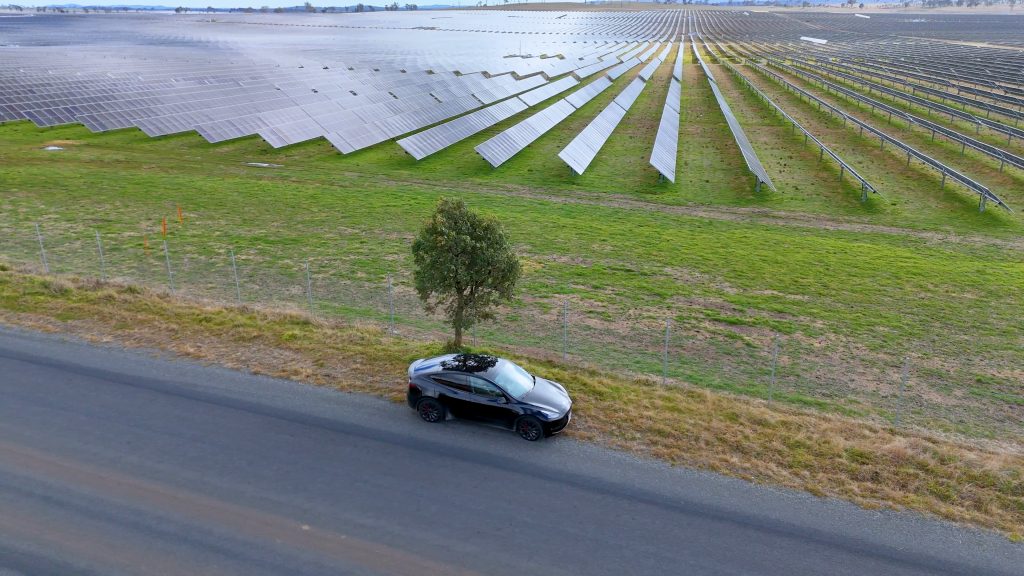
Can technology make mobility more sustainable?
Technology can help people plan their journeys, connect them with compatible routes and provide alternatives to private car use. Find out how it contributes to more sustainable mobility, what role car-sharing plays and how to measure its real impact.
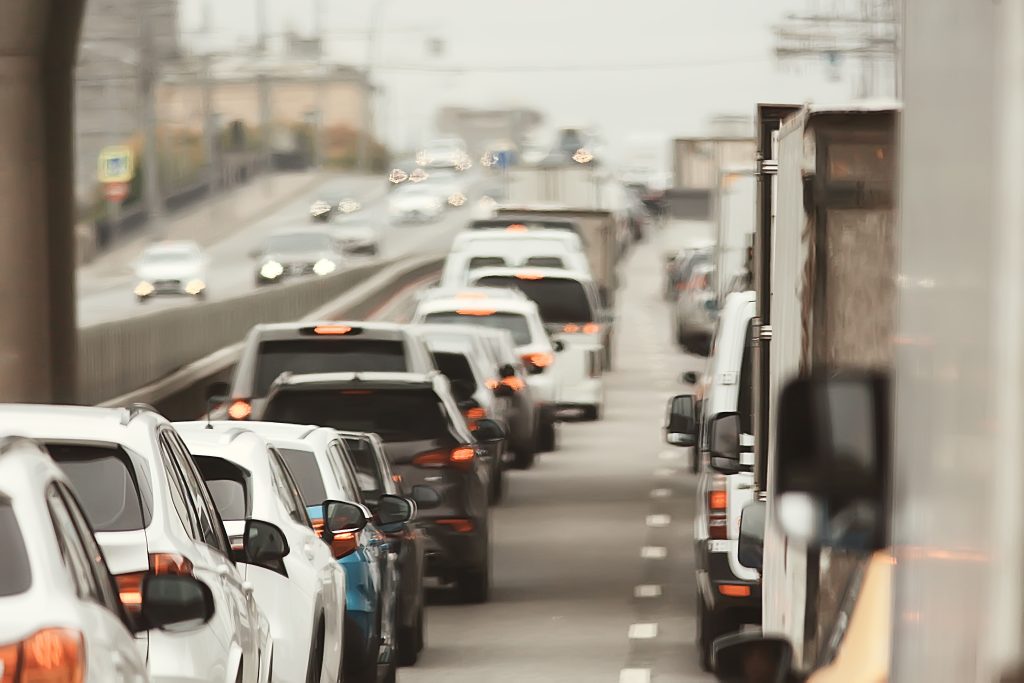
The trends that will shape mobility in Spain
Mobility in Spain is evolving alongside the growth of public transport, electrification, digitalisation and new forms of shared travel. We take a look at seven key trends for 2026 and how they are transforming the way we travel, commute to work and connect different modes of transport.