

Carpooling and carsharing are two forms of shared mobility, but they work differently and meet different needs. With carpooling, several people share a journey in the same vehicle; with carsharing, a user accesses a company car for as long as they need it.
The key difference is what is shared: carpooling shares the journey, whereas carsharing shares access to a vehicle. Which one to choose depends mainly on how often you travel, whether you have a car and whether you need to share a journey or use a vehicle occasionally.
Carpooling: what it is and how it works
Carpooling, or sharing a car, means travelling with other people whose route is compatible with yours and sharing fuel, toll or parking costs. It is not a rental: the vehicle usually belongs to someone who was already making that journey.
Carsharing: what it is and how it works
Carsharing is a mobility service in which a company provides a fleet of vehicles that users hire by time or distance through an app. Users find and book an available car, use it and pay according to their usage, without having to buy or maintain it.
Carpooling vs carsharing: comparison table
| Criteria | Carpooling | Carsharing |
| Cost | Sharing an existing expense, such as fuel or tolls, among passengers. | Payment per minute, hour or kilometre to the fleet operator. |
| Vehicle ownership | Owned by one of the people sharing the journey. | Owned by the carsharing company; the user is not the owner. |
| Frequency | Especially useful for regular journeys, daily or several times a week. | Designed for occasional or infrequent use. |
| Journey type | Several people make the same journey together. | One person or their group uses a vehicle independently. |
| Environmental impact | Can reduce the number of cars on the road by grouping passengers in one trip. | Can reduce car ownership, although each trip is still individual. |
The main differences between carpooling and carsharing
Although both are part of shared mobility, there are several differences to consider:
- What is shared: a journey with other people in carpooling; access to a vehicle in carsharing.
- Who drives: in carpooling, one of the travellers usually drives. In carsharing, the user drives the company’s vehicle for the booked period.
- How costs are calculated: carpooling passengers share journey expenses; carsharing users pay according to the service’s terms and the time or distance used.
- When it is most useful: carpooling suits recurring journeys and compatible routes; carsharing offers independence when a vehicle is needed occasionally.
Carpooling or carsharing: benefits for your needs
The best option depends on the journey you need to make.
Choose carpooling if…
- You make a regular journey and share a compatible route and schedule with others.
- You want to share travel costs and make use of a vehicle that is already making the trip.
- You commute to work or make other recurring journeys.
The main constraint is that another person must have a compatible route and schedule. If nobody makes a similar journey at a similar time, sharing it will be more difficult.
Choose carsharing if…
- You need a car occasionally or do not own one.
- You want access to a car without buying or maintaining it.
- You need independence and do not want to rely on someone else making the same journey.
- You need to use a vehicle for a specific period.
Carsharing offers on-demand access, although the cost depends on the time, distance and terms of the service.
How do you know whether to choose carpooling or carsharing?
The choice mainly depends on whether your need is regular or occasional. If you make the same journey repeatedly—to work, university or between two towns—carpooling is often more efficient. If your need is occasional, for example a one-off trip around town when you do not own a car, carsharing may be a better fit because it does not depend on another person having a compatible journey.
Carpooling and carsharing compared with owning a car
Compared with owning a car, both carpooling and carsharing reduce the need for each person to buy and maintain their own vehicle, but in different ways. Carsharing replaces ownership with paying for use. Carpooling does not remove vehicle ownership, but it can reduce the number of cars travelling alone to make the same journey. Both approaches can help make better use of available vehicles.
You might also be interested in
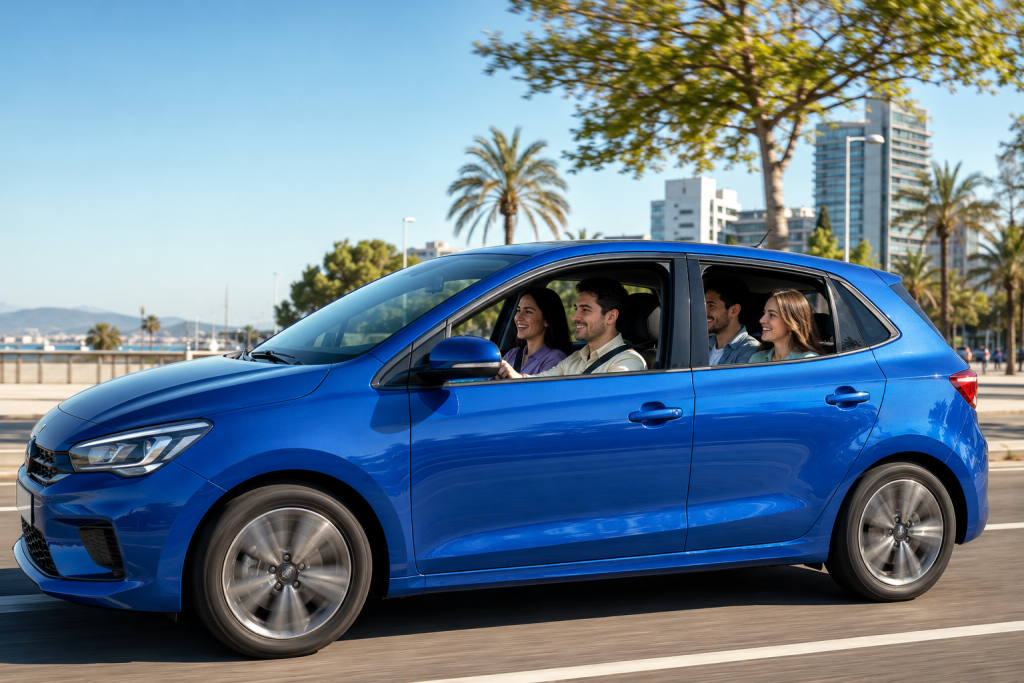
Carsharing: what it is and how it works in Spain
Waiis explains what carsharing is, how it works, the different types, prices and requirements, and its advantages over car hire and owning a car.
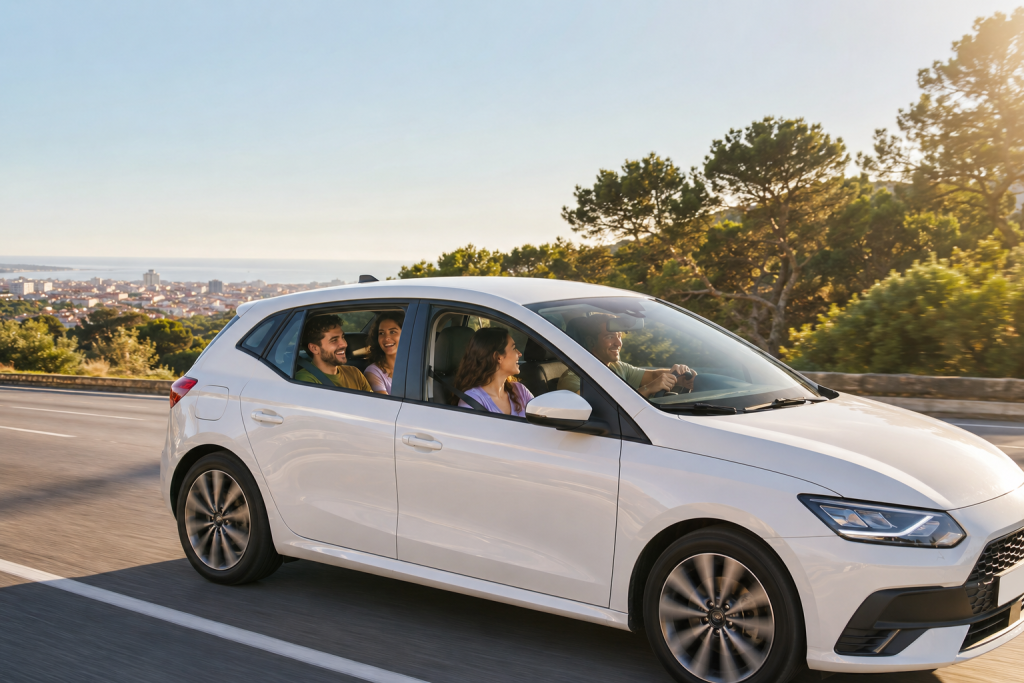
Carpooling: what it is, how it works and the benefits of sharing a car
Waiis explains what carpooling means, how it works, whether it is legal to charge passengers, its main benefits and why it is growing in Spain.